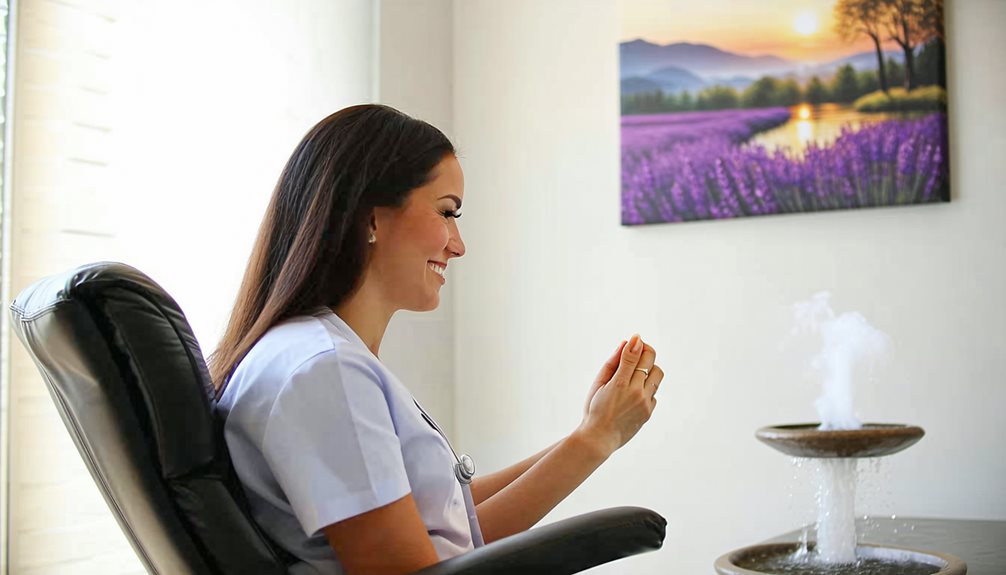
Finding comforting experts for anxiety-free oral care is pivotal for those facing dental anxiety, which affects 36% of individuals. These professionals utilize psychological strategies like cognitive-behavioral therapy and relaxation techniques to mitigate fear. Their gentle demeanor, empathetic communication, and ability to demystify procedures in simple terms are paramount. Integrating advanced technologies and serene practice environments further enhances patient comfort. Tailored approaches in holistic care, such as structured breathing and calming music, empower patients to embrace dental visits positively. The journey to discovering effective practices and recommended specialists will provide deeper insights, ensuring anxiety-free dental experiences.
Understanding Dental Anxiety
Dental anxiety, affecting an estimated 36% of the population, is a prevalent and often debilitating condition that can greatly impact oral health outcomes. This form of anxiety, characterized by an irrational fear of dental procedures, often leads to avoidance of necessary dental care, exacerbating oral health issues.
The causes of anxiety are multifaceted, encompassing past traumatic experiences, perceived pain, fear of the unknown, and even the sterile, clinical environment of a dental setting. Understanding these triggers is paramount for innovative solutions that address this pervasive issue.
Coping strategies are essential for mitigating dental anxiety and fostering positive patient experiences. Techniques such as cognitive-behavioral therapy (CBT) have shown efficacy in reframing negative perceptions and reducing anxiety.
Additionally, the integration of technology, like virtual reality (VR), offers immersive distractions that can alleviate patient stress. Other effective strategies include progressive muscle relaxation and guided imagery, which empower patients to control their anxiety responses.
Emphasizing patient education and communication can further demystify procedures, reducing fear of the unknown. By embracing these innovative approaches, dental professionals can enhance patient comfort, ensuring anxiety does not hinder access to essential oral healthcare.
Qualities of a Comforting Dentist
A comforting dentist is pivotal in transforming the dental experience for anxious patients, fostering an environment that prioritizes empathy and reassurance. Central to this transformation is a gentle demeanor that eases patient apprehension and instills a sense of calm. This gentle approach is not merely a superficial tactic but a critical aspect of patient-centered care, ensuring that patients feel safe and understood.
A dentist’s ability to maintain a composed and soothing presence can greatly alleviate anxiety, making dental visits less intimidating and more manageable for apprehensive individuals.
Moreover, empathetic communication is a cornerstone of a comforting dentist’s practice. By actively listening and responding to patient concerns with genuine understanding, dentists can build trust and rapport.
This patient-focused interaction involves explaining procedures in layman’s terms, addressing any fears, and ensuring that patients are informed and comfortable at every stage of their treatment. Such communication fosters an atmosphere of collaboration and transparency, which is essential for anxiety-free oral care.
In an era where innovation meets patient needs, a comforting dentist’s qualities are indispensable for advancing dental practices that prioritize not just oral health, but also the emotional well-being of patients.
Top Techniques for Calming Patients
Implementing effective techniques for calming anxious patients is an integral aspect of modern dental practice. With a focus on patient-centered care, dental professionals are increasingly adopting innovative methods to alleviate anxiety, thereby enhancing the overall patient experience and improving clinical outcomes.
One prevalent technique involves guiding patients through structured breathing exercises, which can notably reduce physiological stress responses. By teaching patients to focus on slow, deep breaths, clinicians can help lower heart rates and cortisol levels, creating a more relaxed environment conducive to oral care.
In addition to breathing exercises, the strategic use of calming music has proven beneficial in mitigating dental anxiety. Carefully curated playlists featuring gentle, soothing melodies can distract patients from procedural sounds and create a tranquil atmosphere. This auditory intervention not only relaxes patients but also contributes to a positive sensory experience that can diminish anticipatory anxiety in future visits.
Furthermore, incorporating these techniques into pre-procedural consultations allows dental practitioners to establish trust and rapport, further reducing anxiety levels.
Highly Recommended Anxiety Specialists
In the pursuit of creating an anxiety-free oral care environment, enlisting the expertise of highly recommended anxiety specialists can greatly enhance patient comfort and cooperation.
These professionals are adept at integrating advanced anxiety therapies into dental settings, thereby transforming the patient experience. Their specialist recommendations are pivotal, particularly for individuals who experience heightened dental apprehension, guaranteeing they receive the necessary care without distress.
Anxiety specialists employ a variety of innovative techniques to address patient fears, such as cognitive-behavioral therapy, mindfulness practices, and pharmacological interventions.
Their tailored approaches are designed to meet the unique needs of each patient, fostering a sense of safety and trust. By collaborating with dental teams, these specialists guarantee that patients are supported throughout their oral health journey.
Consider these key benefits of involving anxiety specialists in oral care:
- Comprehensive Care: Specialists provide thorough anxiety assessments and personalized treatment plans.
- Patient-Centric Approaches: Emphasis on patient comfort through evidence-based anxiety management strategies.
- Enhanced Collaboration: Seamless integration with dental teams for a holistic patient experience.
Patient Testimonials and Success Stories
Patient testimonials provide invaluable insights into overcoming dental anxiety, offering real-world examples of transformative oral health journeys.
These success stories highlight the effectiveness of tailored anxiety management techniques and their impact on patient wellbeing.
Overcoming Dental Anxiety
For many individuals, dental visits are a source of significant anxiety, often rooted in past experiences or fear of discomfort. Addressing this prevalent concern, modern dentistry has embraced innovative strategies to alleviate patient apprehension, leading to profound success stories.
Among these strategies, cognitive behavioral therapy (CBT) and relaxation techniques have emerged as pivotal tools in transforming patient experiences.
Cognitive behavioral therapy is instrumental in identifying and reshaping negative thought patterns associated with dental anxiety.
Complementing CBT, relaxation techniques such as deep breathing and guided imagery are employed to induce a state of calm, reducing physiological stress responses during dental procedures.
Engaging with patient testimonials reveals the tangible impact of these methodologies:
- Increased Patient Comfort: Patients report a noticeable reduction in anxiety levels, leading to more frequent and positive dental visits.
- Enhanced Trust: Establishing a rapport with dental professionals through these techniques fosters a sense of safety and trust.
- Improved Oral Health: Overcoming anxiety paves the way for consistent dental care, contributing to long-term oral health benefits.
Transformative Oral Health Journeys
Building upon the strategies to alleviate dental anxiety, the journeys of those who have embraced modern techniques in their oral care routines offer insightful narratives of transformation.
These transformative experiences are not merely anecdotal but are evidenced by significant improvements in oral health and overall well-being.
One patient, for example, highlighted the impact of digital imaging and computer-assisted design in creating a precise treatment plan that alleviated anxiety through predictability and transparency.
Another shared how sedation dentistry redefined their perspective on oral care, transforming a previously intimidating experience into a manageable routine. Emotional support, through empathetic communication and patient-centered care, further facilitated these transformations, reinforcing trust and reducing stress.
These success stories underscore the importance of a holistic approach that combines innovative dental practices with compassionate patient interaction.
Finding the Right Dentist for You
Selecting the appropriate dental professional is essential to ensuring a comfortable and stress-free oral care experience.
Patients should prioritize a dentist’s clinical expertise and experience, as these factors directly influence the quality of care provided.
Additionally, evaluating the practice atmosphere, including staff interactions and the overall environment, can greatly impact patient comfort and anxiety levels during visits.
Consider Dentist’s Experience
Choosing a dentist with the right experience is vital to ensuring quality oral care and a comfortable experience. When appraising a dentist’s experience, it is paramount to reflect on their qualifications and the depth of their clinical expertise. This includes an understanding of their educational background, specialized training, and any certifications that signify a commitment to continuous professional development.
Additionally, evaluating the dentist’s ability to establish strong patient rapport is essential. Building a trusting relationship with your dentist can greatly alleviate anxiety and foster an environment conducive to open communication. A dentist who excels in patient rapport is likely to demonstrate empathy and attentiveness to individual patient needs, ultimately enhancing the care experience.
Contemplate the following when appraising a dentist’s experience:
- Dentist Qualifications: Verify that the dentist has the necessary educational credentials and is licensed to practice in your region.
- Years of Practice: Experience often correlates with expertise; inquire about how many years they have been practicing.
- Patient Feedback: Research reviews or testimonials to get insights into other patients’ experiences and satisfaction levels.
Evaluate Practice Atmosphere
A crucial aspect of selecting the right dentist involves evaluating the atmosphere of the dental practice itself. The practice ambiance markedly influences patient comfort and can alleviate anxiety associated with oral care. An environment that integrates soothing decor, complemented by calming color schemes and ergonomic furniture, can transform a dental visit from a routine obligation to a serene experience.
Patients seeking innovation in their dental care should observe whether the practice employs modern design elements that promote relaxation and tranquility.
In addition to visual factors, consider the auditory and olfactory elements of the practice ambiance. Soft, calming music and the absence of harsh chemical odors can further enhance patient relaxation. The integration of technology, such as virtual reality or noise-canceling headphones, offers an innovative approach to reducing sensory stressors during dental procedures.
Furthermore, the demeanor of the staff contributes to the overall practice atmosphere. A team that demonstrates empathy, professionalism, and clear communication can cultivate a welcoming environment conducive to patient trust and satisfaction.
Frequently Asked Questions
What Are Some At-Home Techniques to Manage Dental Anxiety?
To manage dental anxiety at home, individuals can engage in breathing exercises to regulate stress responses and listen to calming music to create a tranquil environment. These innovative techniques foster a patient-centered approach, enhancing overall oral care experiences.
How Does Dental Anxiety Affect Overall Oral Health?
Dental phobia impacts overall oral health by exacerbating anxiety symptoms, which can lead to delayed dental visits and neglected oral hygiene. This avoidance behavior elevates the risk of periodontal disease and dental caries, compromising long-term oral health outcomes.
Can Diet Impact Dental Anxiety Levels?
Dietary influences can greatly impact dental anxiety levels by modulating anxiety triggers. Nutritional choices affect neurotransmitter balance and stress response, hence potentially reducing or exacerbating anxiety. Innovative dietary strategies may offer a novel approach to managing dental-related anxiety.
Are There Natural Remedies for Reducing Dental Anxiety?
In addressing the current question, natural remedies such as herbal supplements and calming teas may offer innovative approaches to mitigate dental anxiety. These options, rich in anxiolytic properties, can promote relaxation and enhance patient comfort during dental procedures.
What Role Does Dental Office Environment Play in Patient Comfort?
The dental office environment greatly influences patient comfort. Thoughtful dental decor and soothing sounds can reduce anxiety, creating a serene atmosphere. Incorporating innovative design elements fosters an inviting ambiance, enhancing the overall patient experience and promoting relaxation.
Conclusion
Dental anxiety is a prevalent concern that requires targeted strategies to guarantee effective and anxiety-free oral care. Key attributes of a comforting dentist include empathy, communication skills, and expertise in anxiety reduction techniques. Employing methods such as sedation dentistry, distraction techniques, and relaxation exercises can greatly enhance patient comfort. By selecting highly trained anxiety specialists and considering patient testimonials, individuals can identify a dentist who aligns with their needs, ultimately fostering a positive dental experience and improving overall oral health outcomes.