
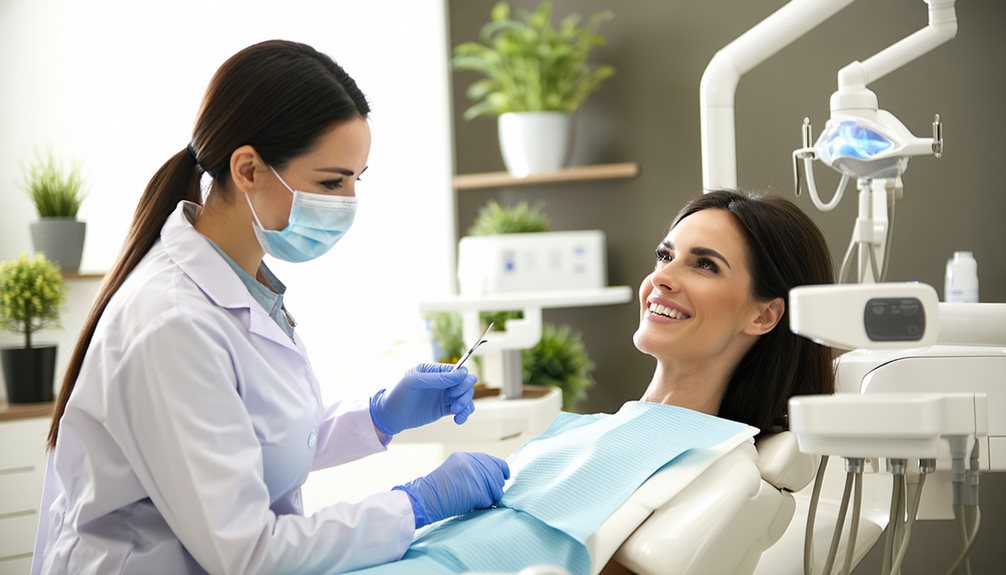
Top dentists utilize a variety of techniques to calm anxious patients, prioritizing their comfort and well-being. They address dental anxiety through advanced communication strategies, like active listening and empathetic dialogue, to build trust. Creating a soothing physical environment with ambient lighting and calming scents further enhances relaxation. Sedation methods, such as nitrous oxide and appropriate medication, manage anxiety and pain effectively. Distraction techniques, offering music or visual relaxation aids, also contribute considerably. Finally, building patient trust with consistent follow-up care and personalized communication strengthens the dentist-patient relationship. Explore these approaches to understand how thorough care guarantees a positive patient experience.
Understanding Dental Anxiety
Dental anxiety is a common phenomenon that frequently affects patients of all ages, often leading to the avoidance of necessary dental care. This apprehension can stem from various causes of anxiety, including past negative experiences, fear of pain, or a sense of loss of control while in the dental chair.
For the innovative dental practitioner, understanding these underlying causes is paramount to devising effective coping strategies that can mitigate patient distress and improve the overall dental experience.
The integration of advanced communication techniques and personalized care plans can greatly diminish dental anxiety. Cognitive-behavioral strategies, such as guided imagery and positive reinforcement, empower patients by reshaping their perceptions and expectations.
Moreover, the utilization of technology, such as virtual reality or augmented reality, presents novel ways to engage and distract patients, thereby reducing anxiety levels.
Additionally, fostering a trust-based patient-provider relationship through empathetic listening and transparency can build a supportive environment conducive to alleviating fear.
Creating a Relaxing Environment
A notable aspect of mitigating dental anxiety is the creation of a relaxing environment within the dental practice. This approach is rooted in the understanding that the physical setting can considerably influence a patient’s psychological state.
Incorporating ambient lighting into the design of a dental clinic can transform the atmosphere, offering patients a sense of tranquility. Unlike harsh fluorescent lighting, which can heighten anxiety, ambient lighting creates a warm, welcoming ambiance that encourages relaxation. This innovation in clinic design not only enhances aesthetic appeal but also supports the psychological well-being of anxious patients.
Furthermore, the integration of soothing scents plays a critical role within this calming environment. Research indicates that certain scents, such as lavender and chamomile, possess anxiolytic properties, potentially reducing stress and promoting relaxation.
By diffusing these soothing scents in the waiting and treatment areas, dental practices can create an olfactory experience that complements the visual and tactile elements of the environment. This sensory approach is an innovative strategy to address dental anxiety, demonstrating a commitment to patient-centered care.
Communication and Empathy
Effective communication and empathy are critical components in alleviating patient anxiety.
Utilizing active listening skills enables healthcare providers to build trust swiftly and establish a rapport, which is essential for creating a supportive clinical environment.
Addressing patients’ concerns with compassion guarantees that their emotional needs are met, fostering a sense of safety and understanding.
Active Listening Skills
In the quiet sanctum of a consultation room, the art of active listening emerges as a cornerstone of effective patient care, particularly for those experiencing anxiety. This skill is not merely about hearing words but involves a profound engagement with the patient, fostering an environment where emotional validation can occur.
Active listening empowers dentists to discern both verbal and non-verbal cues, allowing for a tailored approach to each patient’s unique concerns and fears.
The implementation of active listening techniques involves several structured components:
-
Reflective Responses: Echoing key points made by the patient assures them their concerns are understood, enhancing patient engagement.
-
Empathetic Acknowledgment: Recognizing and articulating the emotional undertones in a patient’s communication serves to validate their feelings, creating a supportive dialogue.
-
Open-ended Questions: Encouraging patients to express themselves in detail promotes a thorough understanding of their anxieties, facilitating personalized care strategies.
Building Trust Quickly
How can trust be established swiftly in a clinical setting, especially with anxious patients? Establishing trust quickly involves strategic communication and empathetic engagement. In dental practice, trust building exercises are essential in mitigating patient anxiety. These exercises include maintaining eye contact, using open body language, and offering verbal affirmations, which collectively foster a sense of security and understanding.
Rapid rapport can be achieved by personalizing interactions; this could involve addressing patients by their names and recalling previous conversations, which demonstrates attentiveness and care.
Moreover, employing innovative communication techniques, such as motivational interviewing, empowers patients. This approach invites patients to voice their thoughts and concerns, fostering a collaborative environment. Utilizing visual aids and digital tools can also enhance understanding and transparency, further reinforcing trust. For instance, sharing digital images of patient progress cultivates a sense of involvement and control.
Empathy plays a vital role, with practitioners encouraged to validate patient emotions and provide reassuring feedback. By merging these trust-building strategies with cutting-edge communication technologies, dental professionals can create a patient-focused atmosphere that not only alleviates anxiety but also enhances the overall clinical experience, paving the way for enduring patient-practitioner relationships.
Addressing Concerns Compassionately
Addressing patient concerns with compassion involves a meticulous blend of communication and empathy, vital in a clinical setting. This approach is particularly important for alleviating patient fears, fostering an environment where individuals feel heard and understood.
Dentists can transform apprehension into trust through compassionate reassurance, creating a more conducive atmosphere for patient cooperation and satisfaction.
Communication begins with active listening. By genuinely engaging with the patient’s narrative, clinicians can discern underlying anxieties and address them with precision.
Empathy, in this scenario, is not merely about understanding; it is about conveying authentic concern and care. This dual approach can appreciably mitigate patient fears, promoting a sense of safety and comfort.
To implement this effectively, consider the following strategies:
- Utilize patient-centered language****: Tailor explanations to the patient’s level of understanding, avoiding technical jargon that might exacerbate anxiety.
- Acknowledge emotional cues****: Recognize and validate the patient’s emotional state, demonstrating empathy through verbal and non-verbal communication.
- Offer incremental information****: Provide information in manageable portions to avoid overwhelming the patient, allowing time for questions and clarification.
Sedation and Pain Management
Effective sedation and pain management are essential components in the care of anxious patients undergoing medical procedures. This approach not only alleviates discomfort but also fosters a more positive experience, enhancing patient compliance and outcomes.
Among the innovative methods employed, oral sedation and nitrous oxide stand out as highly effective modalities. Oral sedation, utilizing medications such as benzodiazepines, provides a calming effect, allowing patients to remain conscious yet deeply relaxed throughout the procedure. This method is advantageous due to its ease of administration and ability to tailor dosage to the individual’s anxiety level and medical history.
Nitrous oxide, or "laughing gas," is another pivotal tool in the armamentarium of sedation techniques.
Incorporating these sedation techniques requires a meticulous understanding of each patient’s unique needs and medical background. Therefore, practitioners must maintain a patient-focused approach, ensuring that sedation strategies are individualized, safe, and conducive to an environment where innovation in patient care is paramount.
Distraction Techniques
Distraction techniques serve as valuable adjuncts in managing patient anxiety by redirecting attention away from stressors.
Utilizing music and audiobooks can create an auditory environment that promotes relaxation, while visual relaxation aids provide calming visual stimuli.
Additionally, interactive gadgets offer engaging activities that can greatly reduce anxiety levels in patients during medical procedures or waiting periods.
Music and Audiobooks
Among the diverse methods available for mitigating patient anxiety, the use of music and audiobooks stands out as a particularly effective distraction technique. Music therapy, an established clinical practice, involves the strategic use of musical elements to promote relaxation and reduce stress.
In a dental setting, curating a playlist that resonates with the patient’s musical preferences can greatly enhance their comfort, transforming the clinical atmosphere into a more soothing environment.
Audiobook selection, on the other hand, plays a pivotal role in diverting the patient’s attention away from the dental procedure. By immersing patients in an engrossing narrative, audiobooks can effectively shift their focus, providing an engaging mental escape.
Dentists are increasingly incorporating this method into their practice, recognizing its potential to alleviate anxiety and promote a sense of calm.
Innovative approaches to patient care include:
- Personalized music playlists: Tailoring music based on individual preferences to create a comforting atmosphere.
- Curated audiobook catalogs: Offering a diverse range of genres to cater to varied tastes.
- Noise-canceling headphones: Enhancing the audio experience by blocking out procedural sounds.
Visual Relaxation Aids
Visual relaxation aids serve as an essential component in the arsenal of distraction techniques aimed at easing patient anxiety. By leveraging visual imagery to transport patients away from the clinical setting, dental practitioners can employ innovative strategies that foster a more serene experience.
Calming colors, such as soft blues and greens, have shown efficacy in reducing stress by evoking tranquility and soothing the senses. These colors can be integrated into the dental environment through strategic design choices, like painted walls or artwork, to create an ambiance conducive to relaxation.
Moreover, utilizing advanced technology such as virtual reality headsets can enhance the visual experience, immersing patients in calming landscapes or guided imagery sessions. This innovation not only diverts attention from dental procedures but also actively engages the patient’s mind in a therapeutic journey.
Visual displays, including nature scenes projected onto ceilings, offer another layer of sensory distraction, subtly drawing focus away from anxiety-inducing stimuli.
Incorporating visual relaxation aids requires a thoughtful approach, balancing aesthetics with functionality. By prioritizing patient comfort through deliberate design and technological integration, dental professionals can greatly mitigate anxiety, ultimately improving the overall patient experience and facilitating more effective care.
Interactive Gadgets Usage
Building upon the calming effects of visual relaxation aids, interactive gadgets present another effective avenue for alleviating patient anxiety during dental procedures. These advanced tools leverage technology to create immersive environments that divert attention from potentially stressful stimuli.
Among the most innovative solutions are virtual reality and gamified experiences, which have shown remarkable potential in transforming the patient experience.
For practitioners seeking to integrate these technologies into their practice, consider the following options:
-
Virtual Reality Headsets: Utilize immersive VR environments to transport patients to serene landscapes, effectively reducing anxiety by engaging multiple senses in a controlled, calming setting.
-
Interactive Tablets: Offer gamified experiences tailored to individual patient preferences, providing an engaging distraction that captures focus and diminishes awareness of dental procedures.
-
Wearable Technology: Implement biofeedback devices that monitor physiological responses, allowing for real-time adaptation of anxiety-reducing interventions based on patient-specific data.
Follow-Up Care Strategies
Effective follow-up care strategies are essential in ensuring continuity of care and mitigating anxiety in patients post-treatment. In the domain of dentistry, providing post-treatment reassurance and systematic follow-up reminders can considerably enhance patient confidence and satisfaction. Such strategies not only fortify the patient-dentist relationship but also contribute to improved clinical outcomes.
Post-treatment reassurance can be effectively delivered through personalized communication, such as follow-up calls or secure electronic messages. These interactions serve to address any residual concerns, clarify post-operative instructions, and reinforce the anticipated outcomes of the treatment. By offering a channel for open dialogue, dental practitioners can alleviate any lingering apprehensions patients may harbor.
Furthermore, integrating automated follow-up reminders into practice management systems represents an innovative approach to maintaining patient engagement. These reminders can be tailored to individual patient needs and preferences, thereby ensuring timely scheduling of subsequent appointments and adherence to prescribed care regimens.
Such proactive measures demonstrate a commitment to patient-centered care, fostering trust and reducing anxiety associated with dental visits.
Frequently Asked Questions
How Can I Find a Dentist Experienced in Handling Anxious Patients?
To locate a dentist adept in managing anxious patients, consider patient referrals and scrutinize dentist reviews. Employ platforms focusing on innovative dental practices, ensuring a patient-centered approach that prioritizes comfort and addresses dental anxiety effectively.
Are There Specific Dental Procedures That Cause More Anxiety Than Others?
Certain dental procedures, such as tooth extraction and root canal therapy, are commonly associated with heightened patient anxiety due to perceived invasiveness and pain. Innovative techniques and patient-focused care strategies can mitigate these concerns, enhancing overall patient experience.
Can Dietary Changes Help Reduce Dental Anxiety?
Addressing dental anxiety through nutrition strategies involves incorporating calming foods such as those rich in magnesium and omega-3 fatty acids. These nutrients can modulate stress responses, potentially leading to a more relaxed state in dental settings.
How Do I Explain My Dental Anxiety to a New Dentist?
To effectively convey dental anxiety to a new dentist, employ clear communication strategies, detailing specific anxiety triggers. Establish a collaborative dialogue, fostering an innovative, patient-centered approach that encourages personalized care and enhances the treatment experience.
Are There Mobile Apps That Assist With Dental Anxiety Management?
Yes, there are several innovative mobile applications designed to aid dental anxiety management. These apps integrate mobile mindfulness and relaxation techniques, providing users with guided meditations, stress reduction exercises, and personalized coping strategies to enhance patient comfort and experience.
Conclusion
The implementation of extensive strategies to address dental anxiety is essential for enhancing patient experience and outcomes. Understanding the psychological underpinnings of dental anxiety allows for the creation of a calming environment, where effective communication and empathy are prioritized. Employing sedation and pain management techniques, alongside distraction methods, further alleviates patient distress. Ensuring thorough follow-up care reinforces trust and comfort in the dental setting. These techniques collectively contribute to a patient-centered approach, fostering positive dental experiences and improved oral health.

