
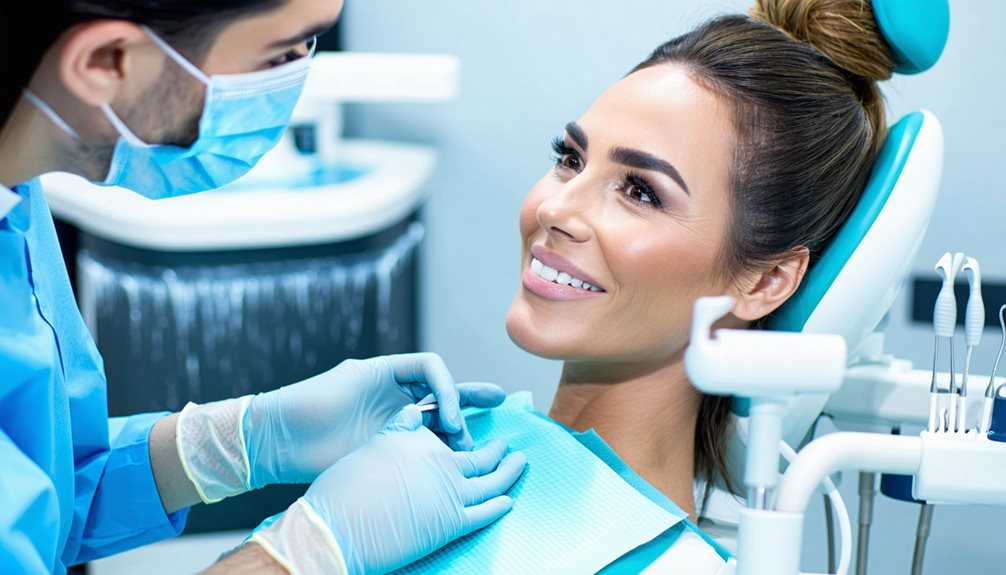
Finding top dentists specializing in anxiety care guarantees a calmer dental experience for anxious patients. Look for professionals with verified credentials, specialized training, and affiliations with professional organizations. Patient reviews provide valuable insights, while the use of advanced technologies like noise-canceling headphones and virtual reality can enhance comfort. Calming innovations such as aromatherapy, soothing music, and adjustable lighting contribute to a serene atmosphere. Personalized anxiety management strategies, including mindfulness and empathy-based communication, foster trusting patient-dentist relationships. Explore these strategies and care models to discover how advanced anxiety management can transform dental visits into more positive experiences.
Understanding Dental Anxiety
Dental anxiety is a prevalent issue affecting a significant portion of the population, often leading to the avoidance of necessary dental care and, consequently, poor oral health outcomes. Understanding the causes of anxiety is essential for developing effective coping strategies. Common triggers include past traumatic experiences, fear of pain, feelings of helplessness, and the perceived loss of control in the dental chair.
Additionally, the sights, sounds, and smells of a dental office can exacerbate anxiety, creating a challenging environment for many patients.
Innovative approaches to mitigating dental anxiety focus on creating a more patient-centric experience. Effective coping strategies can transform the dental visit into a manageable, even positive, experience. These strategies include open communication between patient and dentist, allowing for a tailored approach that addresses individual fears.
Techniques such as mindfulness, controlled breathing, and visualization can empower patients to reduce stress. Moreover, advancements in technology, such as virtual reality and noise-canceling headphones, offer immersive distractions that can alleviate anxiety.
Dentists are increasingly adopting sedation options, ranging from mild sedatives to conscious sedation, providing patients with a sense of calm. By understanding and addressing dental anxiety, patients can achieve better oral health and overall well-being.
Criteria for Choosing Specialists
Selecting the right specialist for anxiety care in dentistry is vital to guaranteeing a comfortable and effective treatment experience. As innovation in dental practices advances, choosing a specialist who aligns with cutting-edge methodologies becomes imperative.
Begin by conducting a thorough credentials verification to determine the dentist’s qualifications and expertise in anxiety management. This process involves confirming their certifications, specialized training, and memberships in professional organizations focused on sedation or anxiety care in dentistry. These indicators reflect a dentist’s commitment to staying abreast of the latest developments and techniques designed to ease patient anxiety.
Equally important is evaluating patient feedback, which provides genuine insights into the specialist’s ability to manage dental anxiety effectively. Patient reviews and testimonials offer valuable perspectives on the dentist’s approach, demeanor, and the overall environment of the practice.
Innovative dentists often employ advanced technologies or techniques, such as virtual reality or noise-canceling headphones, to create a more soothing experience. By prioritizing credentials verification and patient feedback, patients can identify specialists who are not only qualified but also dedicated to providing a supportive and calming dental experience.
This guarantees that both technical proficiency and patient-centered care guide the selection process.
Top-Rated Local Dentists
Finding top-rated local dentists who specialize in anxiety care can greatly enhance a patient’s dental experience by providing comfort and peace of mind. As patient anxieties become increasingly recognized in dental care, local dental practices are adapting by incorporating innovative techniques and technologies to create a serene environment.
These practices often rely on patient referrals, establishing a trustworthy reputation within the community.
When evaluating top-rated local dentists, consider the following attributes:
Advanced Training: Dentists with specialized training in anxiety management can utilize techniques such as sedation dentistry, ensuring a relaxing experience.
Patient-Centric Environment: Creating a calming atmosphere through soothing music, aromatherapy, or virtual reality can considerably reduce patient anxiety.
Excellent Patient Reviews: Consistent positive feedback highlights a dentist’s ability to manage patient stress effectively.
Investment in Technology: The use of modern tools and procedures can minimize discomfort and streamline the dental process.
Community Engagement: Dentists involved in local initiatives often demonstrate a commitment to patient care and well-being.
Patient-Centric Care Approaches
Patient-centric care approaches in dentistry emphasize the importance of empathy-based treatment models, which prioritize understanding and addressing the unique needs of patients with dental anxiety.
By implementing personalized anxiety management techniques, dentists can tailor their care strategies to each individual’s comfort level, ultimately enhancing the patient experience.
These approaches not only improve patient satisfaction but also foster a trusting relationship between patients and dental professionals, essential for long-term oral health.
Empathy-Based Treatment Models
In the domain of dental anxiety care, empathy-based treatment models have emerged as a transformative approach, placing the patient’s emotional well-being at the forefront of care. These models prioritize the development of empathy training and compassionate communication skills among dental professionals, ensuring a patient-centric experience.
By fostering a supportive atmosphere, dentists can greatly alleviate anxiety, creating a more positive and effective treatment process.
Key elements of empathy-based treatment models include:
- Empathy Training: Equipping dental professionals with the skills to understand and share patient emotions effectively.
- Compassionate Communication: Cultivating open, honest, and reassuring dialogue between patients and practitioners.
- Patient Empowerment: Encouraging patients to voice concerns and preferences, fostering a sense of control over their treatment journey.
- Trust-Building Strategies: Developing strong, trusting relationships through consistent, empathetic interactions.
- Stress-Reducing Environments: Designing dental spaces that are calming and welcoming to ease patient anxiety.
These innovative models not only enhance the patient experience but also improve clinical outcomes by reducing the stress associated with dental visits.
As dentistry continues to evolve, embracing empathy-based approaches signals a progressive shift towards more holistic care, ultimately transforming how patients perceive and engage with dental services.
Personalized Anxiety Management Techniques
A growing number of dental practitioners are adopting personalized anxiety management techniques to enhance patient-centric care. Recognizing the unique needs of each patient, these innovative professionals are crafting individualized strategies that incorporate mindfulness practices and breathing exercises. This tailored approach not only alleviates dental anxiety but also fosters a more comfortable and positive experience, ultimately encouraging patients to maintain regular dental checkups.
Mindfulness practices have emerged as a powerful tool in this domain, enabling patients to remain present and focused during procedures. By guiding patients through mindfulness exercises, dentists are helping them cultivate a sense of calm and control, mitigating the often overwhelming fear associated with dental visits.
Complementing these practices are structured breathing exercises, which are strategically employed to regulate physiological responses to stress. By teaching patients how to use deep, controlled breathing, dental practitioners can markedly reduce anxiety levels, allowing for a smoother and more efficient treatment process.
This patient-centric methodology not only enhances patient satisfaction but also represents a forward-thinking shift in dental care. As the industry continues to innovate, the integration of personalized anxiety management techniques will likely become a standard component of dental practice, driving a new era of empathetic and effective care.
Technology and Comfort Enhancements
In the domain of anxiety care within dentistry, technological advancements play a pivotal role in enhancing patient comfort.
Calming dental innovations such as noise-canceling headphones and virtual reality experiences are increasingly being adopted to create a soothing environment.
Additionally, advanced sedation techniques offer tailored solutions to address individual anxiety levels, ensuring a more relaxed and stress-free dental visit.
Calming Dental Innovations
Advancements in dental technology have transformed the patient experience, particularly for those who suffer from anxiety during dental visits. Cutting-edge innovations are reshaping the way dental care is delivered, offering patients a more serene and comfortable environment.
With a focus on reducing stress and enhancing the overall experience, dentists are increasingly incorporating tools such as virtual reality and sound therapy into their practices.
Virtual Reality (VR): Patients can escape the intimidating atmosphere of a dental office by immersing themselves in calming VR environments, which can considerably reduce anxiety levels.
Sound Therapy: Gentle music or nature sounds played during treatment can create a soothing auditory backdrop, helping to ease patient nerves.
Heated Chairs: Offering warmth and comfort, heated dental chairs help patients relax during procedures.
Aromatherapy: The use of essential oils diffused in the treatment room can promote relaxation through scent.
Soft Lighting: Adjustable, ambient lighting in treatment rooms can create a more tranquil atmosphere.
Advanced Sedation Techniques
Building upon the calming dental innovations, advanced sedation techniques further enhance the comfort and ease experienced by anxious patients during dental procedures. As dental practices continue to evolve technologically, these techniques have become essential in addressing patient anxiety and guaranteeing a smooth, stress-free experience.
With the integration of cutting-edge sedation options such as nitrous oxide, oral sedatives, and IV sedation, dentists are now able to customize sedation levels precisely to suit individual patient needs while maintaining sedation safety.
A critical component of these advancements is robust patient monitoring systems. State-of-the-art monitoring technology guarantees real-time tracking of key signs, enabling dental professionals to adjust sedation levels promptly and maintain peak safety throughout the procedure. This technology not only enhances patient comfort but also provides peace of mind, knowing that their physiological responses are being closely observed.
Furthermore, these innovations in sedation techniques are designed with patient empowerment in mind, allowing individuals to make informed decisions about their dental care. By prioritizing sedation safety and employing thorough patient monitoring, modern dental practices are setting new standards in anxiety care.
This commitment to innovative sedation approaches underscores the transformative impact of technology on patient experience and satisfaction in the dental field.
Success Stories and Testimonials
When it comes to dental care for individuals with anxiety, the true measure of success lies in the stories of transformed experiences and regained confidence.
These success narratives, woven from patient experiences, illuminate how innovative approaches in anxiety care can revolutionize dental visits. Testimonials from patients who have overcome their fears serve as both inspiration and evidence of the effectiveness of tailored anxiety treatments.
In the domain of anxiety care, testimonials are powerful motivators for those seeking similar transformations. Here are some standout success stories:
Mary’s Journey: Once paralyzed by fear, Mary now attends regular check-ups thanks to compassion-driven care.
John’s Discovery: Advanced sedation techniques allowed John to undergo a complex procedure without distress.
Emma’s Experience: Personalized care plans gave Emma the tools to manage her anxiety, transforming her dental visits.
David’s Triumph: Through virtual reality relaxation, David conquered his anxiety, making dental visits stress-free.
Sophia’s Story: A holistic approach addressed Sophia’s anxiety, resulting in anxiety-free dental treatments.
These narratives underscore the significance of patient-centric care models in anxiety dentistry.
As dentists continue to innovate, more patients can look forward to positive, anxiety-free dental experiences, paving the way for improved oral health and quality of life.
Frequently Asked Questions
How Do Anxiety-Care Dentists Handle Emergency Situations?
In emergency situations, anxiety-care dentists implement thorough emergency protocols to guarantee patient safety. Effective patient communication is prioritized to alleviate anxiety, employing innovative techniques to maintain calm and provide reassurance, thereby enhancing overall patient experience and care outcomes.
Are There Any Specific Sedation Options for Highly Anxious Patients?
Dental practices offer sedation techniques such as nitrous oxide, oral sedatives, and intravenous sedation to enhance patient comfort. These innovative approaches cater to highly anxious patients, ensuring a more relaxed and stress-free dental experience.
What Insurance Plans Cover Anxiety-Focused Dental Care?
For individuals seeking insurance coverage for dental anxiety treatments, it is essential to consult with insurance providers. Coverage varies widely, and some plans may offer benefits for sedation or anxiety-specific care, enhancing access to innovative dental solutions.
How Long Is the Typical Wait Time for an Anxiety-Care Appointment?
The typical wait time for an anxiety-care appointment varies, often ranging from a few days to several weeks, depending on the clinic’s scheduling flexibility. Appointment duration is tailored to guarantee thorough, patient-centered care, enhancing the overall experience.
Do Anxiety-Care Dentists Offer Virtual Consultations?
Yes, many dentists now offer telehealth services to accommodate patients with anxiety. Virtual consultations provide convenience and comfort, as reflected in positive patient testimonials, highlighting their effectiveness in reducing stress while ensuring innovative dental care solutions.
Conclusion
The integration of specialized anxiety care in dentistry addresses a critical need for patients experiencing dental fear. By selecting dentists based on specific criteria, individuals can guarantee a supportive and effective treatment experience. Advances in technology and patient-centric approaches further enhance comfort and outcomes, providing promising solutions for anxiety-prone patients. Success stories and testimonials underscore the positive impact of these specialized practices, demonstrating a significant improvement in patient experiences and overall oral health care satisfaction.

