
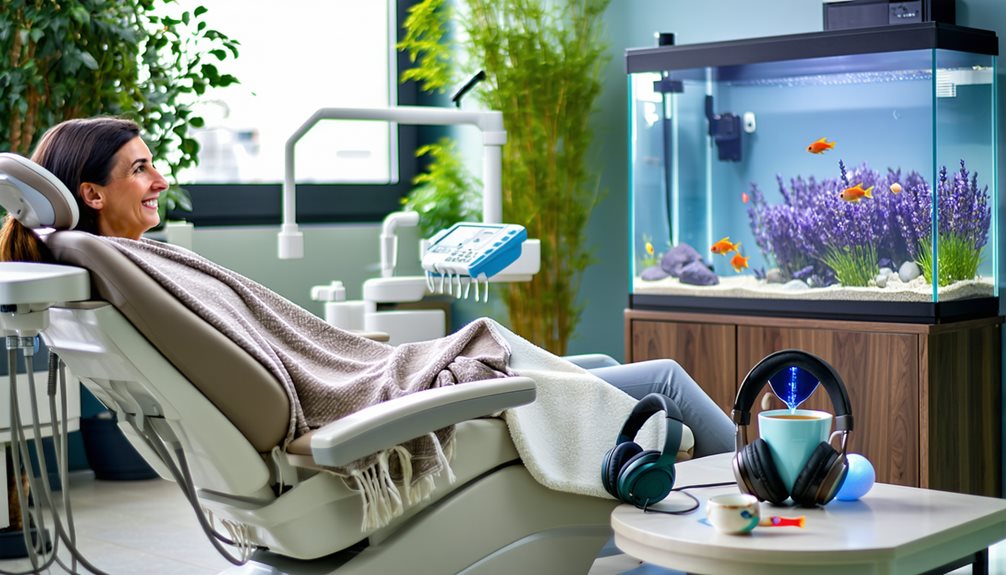
To ease dental anxiety, start by communicating your fears with your dentist to guarantee personalized care. Choosing a dentist who is understanding and supportive can greatly impact your comfort. Practicing relaxation techniques such as meditation helps manage pre-visit stress, while bringing comfort items can provide emotional grounding. Scheduling a consultation visit familiarizes you with the environment, reducing apprehension. Distraction methods, like listening to music, offer mental escape during procedures. For more profound anxiety, sedation options such as nitrous oxide can be beneficial. These strategies collectively foster a more relaxing dental experience, and there’s much more to explore.
Communicate Your Fears
Effective communication of your dental anxieties is an essential step towards alleviating fear during dental visits. In the domain of dentistry, fear management is a critical component that requires both patient and practitioner collaboration. By engaging in open dialogue about your concerns, you can transform a potentially stressful experience into a more manageable one. This communication not only empowers you but also enables dental professionals to tailor their approach, ensuring a more comfortable experience.
In recent years, the dental field has embraced innovative methods to address dental phobias, recognizing the importance of patient-centered care. Technology, such as virtual reality and biofeedback, offers groundbreaking approaches to fear management. However, these innovations are most effective when patients actively communicate their specific fears and anxieties.
Establishing an open dialogue with your dentist involves more than discussing fears; it involves articulating specific triggers, past experiences, and desired outcomes. This transparency fosters a collaborative environment where both dentist and patient work towards a common goal.
Choose the Right Dentist
Selecting the right dentist is a pivotal step in managing dental anxiety, as the dentist-patient relationship plays an essential role in creating a comforting atmosphere. An innovative approach involves thoroughly evaluating dentist qualifications, which are fundamental to ensuring a competent and empathetic practitioner.
Verify credentials, including professional training, certifications, and ongoing education endeavors that reflect a commitment to adopting cutting-edge dental practices. Such qualifications not only guarantee technical proficiency but also indicate an understanding of contemporary methods designed to accommodate anxious patients.
Equally important is reviewing the office environment, which greatly influences your overall dental experience. A progressive dental practice often invests in creating a calming, patient-centered setting, incorporating soothing aesthetics, and advanced technology that minimizes discomfort and promotes efficiency.
Consider visiting potential dental offices to observe the ambiance and interaction between staff and patients. Pay attention to whether the environment feels welcoming and if the staff demonstrates a collaborative approach to addressing patient concerns.
Ultimately, choosing a dentist who embodies both outstanding qualifications and a supportive office environment can transform a routine dental visit into a stress-reducing experience, facilitating a sense of trust and reassurance for even the most apprehensive patients.
Practice Relaxation Techniques
In managing dental anxiety, incorporating relaxation techniques can be a valuable strategy to alleviate stress before and during dental appointments. These techniques, grounded in psychological and physiological principles, offer a dual approach to managing anxiety.
Mindful meditation, for instance, involves focusing on the present moment, allowing patients to detach from anxiety-inducing thoughts about dental procedures. By cultivating a state of mindfulness, individuals can experience reduced anxiety symptoms, facilitating a more serene dental visit.
Progressive relaxation is another effective method, which involves systematically tensing and then relaxing different muscle groups. This technique not only promotes physical relaxation but also aids in mental calmness by diverting focus from anxiety to the act of relaxation itself.
As patients engage in progressive relaxation, they can achieve a heightened awareness of bodily sensations, thereby reducing the overall perception of stress.
Innovation in relaxation techniques is continually evolving, with digital applications and guided audio sessions making these practices more accessible.
For patients seeking advanced approaches to managing dental anxiety, integrating these relaxation techniques into their pre-appointment routine can considerably enhance their comfort and experience, transforming dental visits into less intimidating encounters.
Schedule a Consultation Visit
Scheduling a consultation visit can considerably alleviate dental anxiety by providing an opportunity to address any specific concerns with the dentist.
During this visit, patients can meet the dental staff and gain familiarity with the office environment, which can contribute to a sense of comfort and ease.
Additionally, touring the office allows patients to become acquainted with the procedures and equipment, fostering a more informed and relaxed experience.
Discuss Dental Concerns
For individuals experiencing dental anxiety, addressing concerns through a consultation visit can be an effective first step toward a more comfortable dental experience. This preliminary meeting allows patients to voice their apprehensions and gain a deeper understanding of their oral health.
By openly discussing fears and past dental experiences, patients and dental professionals can collaboratively devise a tailored approach that prioritizes the patient’s comfort and well-being.
During a consultation visit, patients are encouraged to articulate specific concerns, whether they relate to pain management, previous negative experiences, or the complexity of upcoming procedures. This dialogue fosters a sense of trust and transparency, enabling dental practitioners to offer innovative solutions and cutting-edge techniques that can alleviate anxiety.
Furthermore, such discussions can illuminate potential barriers to ideal oral health, allowing for the formulation of personalized treatment plans that align with the patient’s unique needs and preferences.
Utilizing this opportunity to discuss dental concerns not only demystifies the dental process but also empowers patients to take control of their oral health journey.
Meet the Staff
A vital component in alleviating dental anxiety is familiarizing oneself with the dental team, who play an integral role in ensuring a positive experience. Scheduling a consultation visit for staff introductions can be an innovative approach to mitigate anxiety, as it allows patients to build a preliminary relationship with the individuals responsible for their care.
During this visit, patients have the opportunity to engage with the team in a relaxed setting, fostering a friendly atmosphere that emphasizes comfort and trust. The process of meeting the staff provides a valuable chance to discuss any concerns or questions in a non-clinical environment, thereby demystifying the dental experience.
This interaction not only humanizes the practitioners but also empowers patients by allowing them to express their preferences and needs. Such engagement is instrumental in shaping an empathetic and supportive dental care environment.
Innovative practices often incorporate personalized staff introductions as part of their patient care strategy, recognizing the profound impact it can have on alleviating dental anxiety. By establishing rapport and ensuring a friendly atmosphere from the outset, patients are more likely to perceive future appointments as less intimidating, ultimately enhancing the overall dental experience.
Tour the Office
Exploring the dental office through a guided tour can greatly reduce anxiety by familiarizing patients with the environment before any procedure takes place. This proactive approach allows patients to understand the layout of the office environment, which can demystify the experience and build a sense of comfort.
By scheduling a consultation visit, patients can engage with the innovative dental equipment and technology in a non-threatening context, transforming unfamiliarity into familiarity.
A consultation visit serves as an ideal opportunity to observe the state-of-the-art machinery used in contemporary dental practices. From digital radiography to advanced sterilization units, witnessing these innovations firsthand can reassure patients of the practice’s commitment to modern, efficient care.
Additionally, understanding the purpose and function of each piece of dental equipment can help mitigate fears rooted in the unknown.
Moreover, spending time in the office environment without the immediate pressure of treatment allows patients to acclimate to sensory elements such as sounds and smells, which are often sources of anxiety. Familiarity with these elements can considerably diminish apprehension during actual appointments.
As a result, a guided tour is not merely an introductory gesture, but a strategic intervention designed to foster a comfortable and confident dental experience.
Bring a Comfort Item
Carrying a comfort item to your dental appointment can greatly alleviate anxiety, providing a sense of familiarity and security in an often intimidating environment. This approach, grounded in psychological principles, leverages the calming effect of personal belongings to mitigate stress and enhance patient experience.
Comfort items, which may include a small pillow, stuffed toy, or even a favorite scarf, serve as tangible connections to one’s personal space, offering reassurance amidst the clinical setting of a dental clinic.
Research indicates that tactile sensations associated with personal belongings can trigger positive emotional responses, thereby reducing anxiety levels.
Patients are encouraged to select comfort items that hold significant emotional value, ensuring that the item is easily portable and unobtrusive during dental procedures.
Innovative dental practices are increasingly recognizing the importance of integrating psychological comfort measures into their service offerings.
By encouraging the use of comfort items, dental professionals can foster a more inclusive and empathetic approach, ultimately enhancing patient satisfaction and promoting a calmer, more relaxed dental experience.Use Distraction Methods
Distraction methods can considerably alleviate dental anxiety by shifting the patient’s focus away from the procedure.
Incorporating music or podcasts provides auditory engagement, while visualization techniques and breathing exercises offer mental and physiological relaxation.
These strategies can enhance the overall dental experience by reducing stress and promoting a sense of calm.
Music and Podcasts
The rhythmic melody of a favorite song or the engaging narrative of a podcast can serve as effective tools for managing anxiety during dental appointments. Music therapy has long been recognized for its capacity to alleviate stress by redirecting focus and creating a calming environment.
By employing music or podcasts as a distraction method, patients can transform their dental experience from intimidating to manageable. This innovative approach harnesses the power of auditory stimuli to create a sense of familiarity and comfort within the often-challenging confines of a dental office.
Strategically curated podcast playlists can further enhance this experience by immersing patients in interesting stories or informative discussions. The brain’s capacity for attention is finite; therefore, engaging in an auditory narrative can effectively divert focus away from dental procedures.
This cognitive diversion not only helps to reduce perceived pain but also mitigates anticipatory anxiety, allowing patients to remain relaxed throughout their visit. Dentists and dental practitioners can consider recommending specific playlists or genres that align with individual patient preferences, thereby personalizing the experience.
This personalized auditory environment can serve as a non-invasive, cost-effective adjunct to traditional anxiety management techniques, offering a modern solution to an age-old challenge.
Visualization Techniques
How can visualization techniques transform the experience of visiting the dentist from one of anxiety to calmness? The practice of guided imagery can serve as a powerful tool in the management of dental anxiety, offering patients a mental escape to calming scenes far removed from the clinical environment.
Through the intentional use of vivid mental imagery, individuals are encouraged to visualize tranquil settings such as serene beaches, lush forests, or peaceful mountain vistas. This technique not only provides a mental distraction but also engages the brain’s neural pathways associated with relaxation and stress reduction.
Guided imagery, a well-established therapeutic technique, involves detailed visualization exercises that can be customized to the patient’s preferences. Dental practitioners can provide patients with scripts or audio guides that facilitate the creation of these calming scenes.
By immersing themselves in this imaginative journey, patients can shift their focus away from the immediate dental procedure and its associated stressors.
For those seeking innovative approaches to dental care, visualization techniques offer a non-invasive, self-empowering strategy. When effectively employed, these methods can enhance the overall dental experience, transforming a traditionally anxiety-inducing appointment into a session marked by tranquility and ease.
Breathing Exercises
Mindfulness, a powerful tool in the domain of stress management, finds a practical application in the use of breathing exercises to alleviate dental anxiety. By focusing on diaphragmatic breathing, individuals can effectively engage their parasympathetic nervous system, promoting a state of calm and reducing the physiological symptoms of anxiety. This technique involves deep, intentional breaths that expand the diaphragm, allowing for increased oxygen intake and a subsequent decrease in stress hormone production.
Mindful inhalation, a cornerstone of these exercises, encourages patients to concentrate on the rhythm and depth of their breath, serving as a distraction from the dental procedures taking place. This focus on breath not only diverts attention but also enhances the individual’s sense of control in an otherwise stressful environment. Research suggests that integrating mindful inhalation with diaphragmatic breathing can lead to a significant reduction in perceived anxiety levels during dental visits.
For those seeking innovative approaches to manage dental anxiety, breathing exercises present a non-invasive, cost-effective strategy. By incorporating these techniques into routine practice, patients are empowered to transform their dental experiences, fostering a sense of tranquility and resilience in the face of dental procedures.
Consider Sedation Options
Often, patients experience considerable anxiety at the thought of visiting the dentist, which can lead to avoidance of necessary dental care. This reluctance can exacerbate oral health issues, underscoring the need for innovative solutions such as conscious sedation.
Conscious sedation is a modern approach that enables patients to remain awake and responsive during procedures while considerably reducing anxiety and discomfort. Administered through various methods, conscious sedation offers a tailored experience that aligns with individual patient needs.
Nitrous oxide, commonly referred to as "laughing gas," is a widely used and effective form of conscious sedation. Inhaled through a small mask that fits comfortably over the nose, nitrous oxide induces a state of relaxation and mild euphoria.
Its rapid onset and quick recovery time make it an ideal option for those seeking minimal disruption to their daily activities post-appointment. This non-invasive technique is particularly beneficial for individuals with mild to moderate dental anxiety.
Sedation options like conscious sedation and nitrous oxide represent a considerable advancement in patient care, allowing for a more comfortable and stress-free dental experience.
Frequently Asked Questions
How Can I Manage Post-Appointment Anxiety?
To manage post-appointment anxiety, engage in post-appointment reflection to assess your experience. Implement relaxation techniques such as deep breathing or mindfulness meditation, fostering a calm state. Embrace innovation by exploring biofeedback or virtual reality for enhanced relaxation.
Are There Natural Remedies for Dental Anxiety?
To address dental anxiety, consider integrating herbal supplements like chamomile or valerian, which may promote relaxation. Additionally, employing innovative breathing techniques can be effective in reducing stress, enhancing the overall dental experience naturally and holistically.
Can Diet Affect Anxiety Levels Before a Dental Visit?
Dietary choices can greatly influence anxiety levels before a dental visit. Consuming foods that stabilize blood sugar and avoiding anxiety triggers like caffeine or sugar can help in managing stress responses, facilitating a more relaxed dental experience.
Should I Avoid Caffeine Before a Dental Appointment?
Avoiding caffeine before a dental appointment is advisable, as caffeine effects can increase heart rate and anxiety, potentially counteracting dental sedatives. Opting for caffeine-free alternatives could enhance the efficacy of sedatives, ensuring a calmer patient experience.
How Do I Explain My Anxiety to Dental Staff?
To effectively communicate your anxiety to dental staff, clearly identify and articulate your specific anxiety triggers. This proactive approach enables the development of tailored strategies, fostering a supportive environment and innovative solutions to enhance your dental experience.
Conclusion
To summarize, effectively managing dental anxiety involves strategic preparation and proactive communication. Selecting an understanding dentist and scheduling a preliminary consultation can foster a more comfortable environment. Employing relaxation techniques and distraction methods can further alleviate stress. Bringing a comfort item may provide additional reassurance during appointments. For those with severe anxiety, sedation options can be considered under professional guidance. These strategies collectively contribute to a more positive dental experience, promoting better oral health outcomes.

