
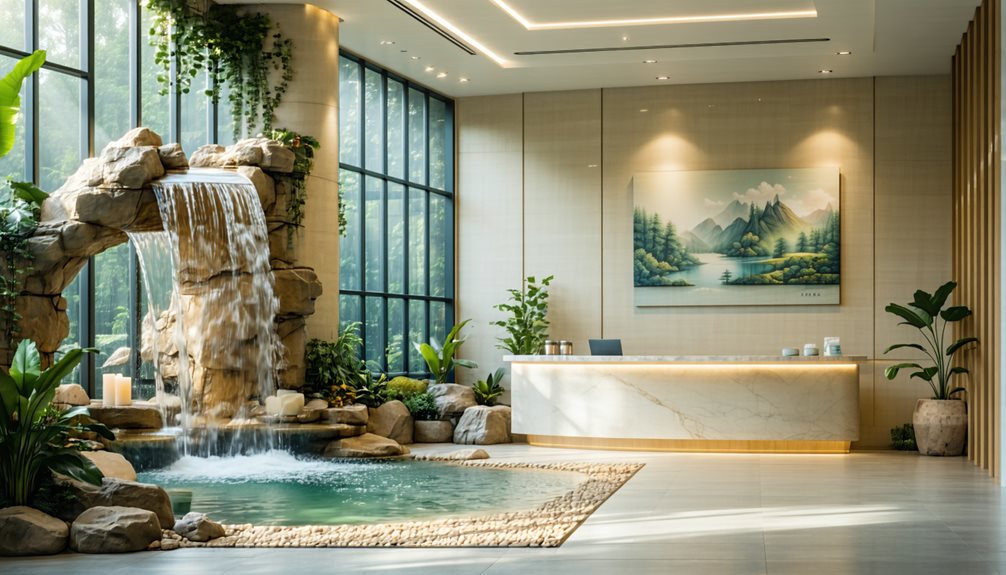
For phobic patients, finding an anxiety-friendly clinic can transform healthcare experiences. These clinics often feature soothing environments with calming colors and natural lighting to ease tension. Equipped with technologies like noise-canceling headphones and virtual reality, they provide non-threatening interventions. Compassionate and specially trained staff are integral, ensuring anxiety is met with understanding and empathy. Techniques such as mindfulness and cognitive-behavioral therapy empower patients, fostering long-term benefits. Clinics committed to patient-centered care prioritize trust and communication, enhancing comfort and outcomes. By exploring further, you can discover more about these pioneering clinics and their innovative approaches to care.
Understanding Dental Anxiety
Dental anxiety is a common experience that affects approximately 36% of the population, with varying degrees of intensity. This apprehension can stem from various causes, ranging from past traumatic experiences in dental settings to fear of pain, needles, or loss of control during procedures.
For many, the mere thought of visiting the dentist can evoke feelings of unease and distress, highlighting the importance of understanding and addressing this concern.
Innovative coping strategies have been developed to help individuals manage dental anxiety effectively. Techniques such as cognitive-behavioral therapy (CBT) offer evidence-based approaches to alter negative thought patterns associated with dental visits.
Mindfulness and relaxation exercises, including deep breathing and visualization, can also serve as practical tools to reduce anxiety levels in the dental chair. In addition, the use of technology, such as virtual reality and noise-canceling headphones, provides immersive distractions that help alleviate stress.
Ultimately, embracing these coping strategies not only improves the dental experience for anxious patients but also fosters a more inclusive and compassionate healthcare environment.
Key Features of Anxiety-Friendly Clinics
A growing number of dental clinics are recognizing the need to create an environment that minimizes anxiety for phobic patients. Understanding anxiety triggers is essential for crafting a clinic environment that fosters comfort and trust.
By adopting innovative strategies, clinics can transform from intimidating spaces into calming havens. Key features of anxiety-friendly clinics include thoughtful design, patient-centered technologies, and empathetic communication.
Anxiety-friendly clinics are characterized by:
-
Soothing Clinic Environment: Incorporating calming colors, natural lighting, and comfortable furnishings help create a relaxing atmosphere that can mitigate anxiety triggers.
-
Innovative Technologies: The use of noise-canceling headphones, virtual reality experiences, and minimally invasive techniques can greatly reduce patient discomfort and fear.
-
Empathetic Staff Training: Staff members trained in recognizing and responding to anxious behaviors can make a profound difference in patient experience, ensuring each interaction is supportive and reassuring.
A commitment to innovation and patient care can redefine the dental experience for those with phobias.
By acknowledging and addressing anxiety triggers, these clinics not only enhance patient satisfaction but also contribute to improved overall health outcomes.
The future of dentistry lies in its ability to adapt and prioritize the emotional well-being of every patient.
Top Clinics for Phobic Dental Patients
Many clinics around the world are setting new standards in dental care by focusing on the unique needs of phobic patients. These pioneering facilities understand that dental anxiety can be a significant barrier to oral health care. By integrating cutting-edge dental sedation options, they guarantee that patients receive necessary treatments with minimal stress and discomfort.
Clinics such as the Dental Phobia Treatment Center in London and the Smile Spa in California are leading the charge in creating more inclusive environments.
A cornerstone of their approach is the creation of calming environments that soothe even the most anxious patients. These clinics are designed to reduce stress from the moment a patient enters. Soft lighting, tranquil music, and comfortable seating areas contribute to a serene atmosphere, helping to alleviate apprehension.
Additionally, the use of technology such as virtual reality headsets offers an immersive distraction, further reducing anxiety levels during procedures.
The emphasis on accessible dental sedation options, including nitrous oxide and oral sedatives, allows patients to select the level of sedation that best suits their comfort needs.
This tailored approach, combined with innovative calming environments, makes these clinics exemplary models for addressing dental phobia with empathy and effectiveness.
Importance of Specialized Staff Training
Specialized staff training plays an essential role in creating an anxiety-friendly environment for phobic patients.
By equipping staff with tailored anxiety techniques and fostering empathy in patient care, clinics can greatly enhance patient experiences.
Effective communication that prioritizes comfort can transform a challenging visit into a supportive and reassuring encounter.
Tailored Anxiety Techniques
Recognizing that anxiety manifests uniquely in each individual, the importance of specialized staff training in anxiety-friendly clinics cannot be overstated. Tailored techniques in anxiety management empower clinicians to address the diverse needs of phobic patients. These techniques involve strategies that are customized to the individual’s specific anxiety triggers and coping mechanisms. Such an approach guarantees that treatment is not only effective but also resonates with the patient’s personal experiences, fostering a sense of safety and understanding.
Clinics that prioritize specialized training equip their staff with the tools necessary to implement these personalized strategies effectively. This involves a thorough understanding of various anxiety disorders, as well as innovative methods to manage them.
To highlight the significance of this approach, consider:
- Enhanced patient outcomes****: Tailored techniques lead to better management of anxiety symptoms, increasing the likelihood of successful treatment.
- Increased patient satisfaction****: Patients feel more understood and supported, contributing to a more positive clinic experience.
- Adaptability and innovation: Specialized training encourages the development of new methods that align with the latest research in anxiety management.
As anxiety-friendly clinics continue to evolve, the commitment to specialized training remains central to delivering compassionate and effective care.
Empathy in Patient Care
Understanding the unique manifestations of anxiety in each individual naturally leads to the importance of empathy in patient care. Empathy is not just a compassionate gesture; it is a critical component in building trustful patient relationships, which is especially crucial for those with phobias.
To cultivate this, clinics are increasingly investing in empathy training for their staff. This specialized training helps healthcare professionals recognize and respect the deeply personal experiences of anxiety in phobic patients, fostering a supportive and understanding environment.
Evidence shows that when staff are equipped with empathy training, patient outcomes improve markedly.
This innovative approach not only benefits patients but also enhances the working environment for healthcare providers by creating more positive interactions and reducing burnout.
In anxiety-friendly clinics, the adoption of empathy-focused care marks a shift from traditional treatment methods to more personalized, patient-centered approaches.
Communication for Comfort
Effective communication is a cornerstone of providing comfort to phobic patients in anxiety-friendly clinics. Specialized staff training plays a vital role in shaping interactions that foster patient engagement and cultivate a supportive environment. When staff are well-trained, they can recognize and adapt to the unique communication needs of phobic individuals, helping to alleviate anxiety and build trust.
Key components of specialized communication training include:
-
Active Listening: Staff learn to listen intently to patients’ concerns without interruption, validating their feelings and promoting open dialogue.
-
Empathetic Responses: Training emphasizes the importance of acknowledging emotions and using compassionate language to reassure patients.
-
Nonverbal Communication: Understanding body language and facial expressions allows staff to convey warmth and safety, enhancing the patient’s sense of security.
Innovative clinics prioritize these elements to create an atmosphere where patients feel understood and respected. This approach not only reduces anxiety but also encourages ongoing patient engagement, leading to better health outcomes.
Innovative Anxiety-Reducing Techniques
In the pursuit of creating a comforting environment for phobic patients, clinics are embracing cutting-edge techniques like Virtual Reality Exposure Therapy and Mindfulness-Based Stress Reduction.
Virtual Reality Exposure Therapy allows patients to gradually face their fears in a controlled, simulated setting, which studies suggest can considerably reduce phobic symptoms.
Meanwhile, Mindfulness-Based Stress Reduction empowers patients by enhancing their awareness and acceptance of the present moment, fostering resilience and lowering anxiety levels.
Virtual Reality Exposure Therapy
Virtual Reality Exposure Therapy (VRET) frequently stands out as a groundbreaking approach in the domain of anxiety-reducing techniques, particularly for phobic patients. By harnessing the power of virtual reality, VRET offers an innovative form of immersive therapy that allows individuals to confront their fears in a controlled and safe environment.
Unlike traditional exposure methods, virtual reality enables patients to engage with their phobias without the real-world risks or constraints, offering a unique opportunity for gradual desensitization.
Key benefits of VRET include:
-
Controlled Environment: Patients experience situations that trigger anxiety in a virtual setting, allowing for precise control over the intensity and duration of exposure.
-
Personalized Scenarios: The therapy can be tailored to individual needs, ensuring that phobic stimuli are introduced at a pace that suits the patient’s comfort level.
-
Increased Engagement: Virtual reality’s immersive nature keeps patients engaged, thereby potentially enhancing the overall therapeutic outcome.
Research underscores the effectiveness of VRET in reducing symptoms of anxiety and providing lasting relief.
For patients who are hesitant about confronting their fears, VRET presents an empathetic, patient-centered approach that aligns with modern desires for technological innovation in mental health care.
Mindfulness-Based Stress Reduction
Some may find solace in the ancient practice of mindfulness, which forms the foundation of Mindfulness-Based Stress Reduction (MBSR), an innovative technique for alleviating anxiety. Developed by Dr. Jon Kabat-Zinn, MBSR combines mindfulness exercises with stress reduction strategies to create a thorough approach to managing anxiety.
This method emphasizes being present in the moment, allowing individuals to observe their thoughts and feelings without judgment. This non-reactive awareness can greatly reduce stress and anxiety levels.
Research suggests that MBSR is effective in decreasing symptoms of anxiety and improving overall well-being. By engaging in mindfulness exercises, individuals learn to recognize and interrupt the cycle of anxious thoughts.
Simple practices, such as focused breathing and body scanning, foster a sense of calm and clarity. These exercises encourage a shift from reactive patterns to a more thoughtful response, which can be particularly beneficial for phobic patients.
Clinics specializing in MBSR often provide structured programs that guide patients through an eight-week course. This format allows individuals to gradually incorporate mindfulness into their daily lives, empowering them with tools for long-term stress reduction.
Embracing MBSR can offer a transformative path to serenity and emotional resilience.
Patient Testimonials and Success Stories
Many individuals have found profound relief and healing through anxiety-friendly clinics, transforming what once seemed insurmountable fears into manageable parts of their lives.
By incorporating innovative approaches and personalized care, these clinics have greatly improved patient experiences and treatment outcomes. Patients often report feeling validated and understood for the first time, as therapies are tailored to their unique needs and phobias.
The success stories emerging from these clinics are not only inspiring but serve as a proof of the effectiveness of their carefully crafted treatment plans.
Consider these uplifting testimonials from those who have bravely faced their anxieties:
-
Empowered Living: One patient shared how their persistent fear of flying was alleviated through gradual exposure therapy, allowing them to travel freely for the first time in years.
-
Renewed Confidence: Another individual recounted overcoming social anxiety, attributing their newfound ability to attend social events to cognitive-behavioral therapy and compassionate support from clinic staff.
-
Freedom from Fear: A patient battling agoraphobia expressed gratitude for virtual reality treatments that enabled gradual reintegration into public spaces without overwhelming stress.
These success stories highlight the transformative potential of anxiety-friendly clinics in guiding patients toward reclaiming their lives and fostering hope for the future.
Frequently Asked Questions
What Should I Expect During My First Visit to an Anxiety-Friendly Clinic?
During your first visit to an anxiety-friendly clinic, expect a calming clinic environment designed to ease phobias. Professionals will employ evidence-based approaches, prioritizing empathy and innovation, ensuring your comfort and addressing specific needs with minimal jargon.
Are There Any Specific Payment Plans for Phobic Patients?
Many clinics offer flexible payment options and financial assistance tailored to phobic patients. These programs aim to alleviate financial stress, enabling access to innovative treatments, ultimately ensuring a supportive and empathetic environment for effective anxiety management.
How Long Do Typical Anxiety-Reduction Techniques Last During a Procedure?
Anxiety-reduction techniques, including breathing techniques and medication options, are typically effective throughout the duration of a procedure. Lasting effectiveness depends on individual response, but these methods are often employed to guarantee patient comfort and minimize anxiety.
Can Anxiety-Friendly Clinics Accommodate Patients With Multiple Phobias?
Anxiety-friendly clinics can indeed accommodate patients with multiple phobias through phobia management and treatment customization. By personalizing care plans, such clinics innovate to effectively address diverse phobic needs, ensuring a supportive and empathetic therapeutic environment.
Are Virtual Consultations Available for Initial Assessments?
Virtual therapy options often include initial assessments, leveraging telehealth benefits to provide accessible care. This innovative approach guarantees patients receive timely support, reducing barriers such as travel anxiety, and offering a comfortable, familiar environment for initial consultations.
Conclusion
Phobic patients benefit greatly from anxiety-friendly clinics that prioritize their unique needs. Such clinics employ specialized staff trained to address dental anxiety and implement innovative techniques to reduce stress. The use of evidence-based practices and patient testimonials underscores the effectiveness of these approaches. As more dental facilities adopt these models, it is expected that patients will experience improved oral health outcomes and reduced anxiety, ultimately enhancing their overall well-being and encouraging more consistent dental care engagement.

